

BASTARD MEANING is a topic that many people search for after hearing the word in movies, television shows, books, social media, or everyday conversations. The term is one of the oldest and most widely recognized words in the English language, but its meaning has changed significantly over time. Depending on the context, it can be used as a historical term, an insult, a joking expression among friends, or even a compliment in certain situations.
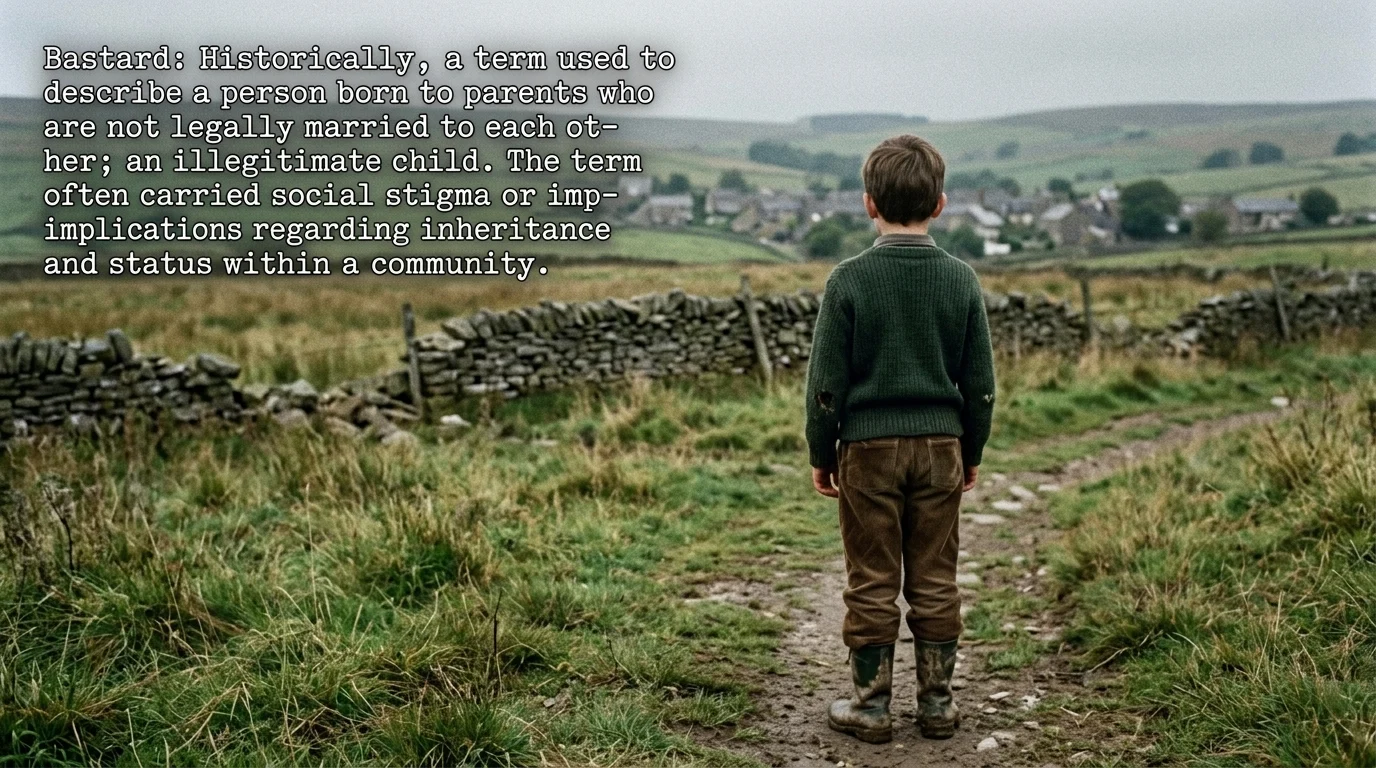
Traditionally, the Bastard Meaning word bastard referred to a child born to parents who were not legally married. This was once an important legal and social classification in many societies. However, as social attitudes toward marriage and family structures changed, this original meaning became less common in everyday conversation.
Today, the bastard meaning is more often associated with slang and informal language. In modern usage, it is frequently used to describe someone who is unpleasant, difficult, selfish, or annoying. At the same time, some people use it playfully among friends without intending to offend. This flexibility makes the word both popular and potentially controversial.
Understanding the bastard meaning requires looking at its history, cultural significance, and modern interpretations. Because the word can carry different emotional tones depending on who says it and how it is used, learning its various meanings can help avoid misunderstandings and improve communication.
What Does Bastard Mean?
The bastard meaning has two primary definitions.
Historically, the term referred to a child born outside of marriage. In earlier centuries, this definition carried legal and social consequences in many countries. Such children often faced discrimination regarding inheritance rights, family status, and social acceptance.
In modern English, the word is more commonly used as an insult. Someone may call another person a bastard if they believe that individual is behaving badly, unfairly, or selfishly.
For example:
- “He’s a real bastard for treating people that way.”
- “That bastard took my parking spot.”
In these cases, the word is being used to express anger or frustration rather than describe someone’s family background.
The Origin of the Word Bastard
The history of the word bastard dates back hundreds of years.
Linguists believe it entered English through Old French. The term was originally used to identify children born outside lawful marriage.
During medieval times, family lineage and inheritance were extremely important. Because of this, society placed significant emphasis on whether a child was born within marriage.
The word gradually became associated with social stigma and exclusion. Over time, it evolved beyond its legal meaning and began to function as a general insult.
Today, many people know the word primarily because of its slang usage rather than its historical definition.
Bastard Meaning in Historical Context
Historically, the bastard meaning carried far more significance than it does today.
In many societies, marriage determined legal rights and social status. Children born outside marriage often faced restrictions that affected inheritance, property ownership, and social standing.
Historical records show that noble families, royal households, and wealthy landowners paid close attention to legitimate lineage.
As legal systems evolved and attitudes toward family structures changed, these distinctions gradually lost importance.
Modern societies generally do not apply the historical meaning in legal or social contexts, making the original definition largely historical rather than practical.
Bastard Meaning as an Insult
The most common modern use of the word is as an insult.
When someone calls another person a bastard, they are usually expressing anger, disappointment, or frustration.
Examples include:
- “He’s a selfish bastard.”
- “What a bastard thing to do.”
- “That bastard lied to everyone.”
In these situations, the term suggests that the person has behaved unfairly, dishonestly, or unkindly.
The strength of the insult depends on the speaker’s tone and the relationship between the people involved.
Some individuals consider the word highly offensive, while others view it as relatively mild compared to stronger insults.
Bastard Meaning Among Friends
Interestingly, the word is not always used negatively.
In some cultures and social groups, friends use the term playfully.
For example:
- “You lucky bastard!”
- “You sneaky bastard.”
- “You clever bastard.”
In these cases, the phrase may actually express admiration, envy, or amusement rather than hostility.
The tone is often friendly and humorous.
However, because the word can still be offensive, it is important to understand the relationship and context before using it casually.
Bastard Meaning in Movies and Television
Movies and television have played a major role in keeping the word popular.
Screenwriters often use it to create emotional impact, reveal character traits, or express conflict.
A villain might call someone a bastard during an argument.
A hero might use the term when confronting an enemy.
In comedy films, the word is sometimes used humorously to create laughs.
Because audiences frequently hear the term in entertainment, many people become familiar with it even if they rarely use it themselves.
Bastard Meaning in British English
British English often uses the word differently from American English.
In the United Kingdom, bastard may appear in casual conversation more frequently.
Examples include:
- “You lucky bastard.”
- “You clever bastard.”
- “Poor bastard.”
These expressions can be affectionate, humorous, or mildly insulting depending on context.
British speakers often rely heavily on tone to determine the intended meaning.
As a result, the word can sometimes sound less harsh in British conversations than it might in other English-speaking regions.
Bastard Meaning in American English
In American English, the word generally carries a stronger negative tone.
While it can still be used jokingly among friends, it is more commonly interpreted as an insult.
For example:
- “That bastard cheated me.”
- “He’s a mean bastard.”
These statements usually express genuine anger or criticism.
Because cultural attitudes vary, speakers should be cautious when using the word with unfamiliar audiences.
The risk of causing offense is often higher in formal or professional settings.
Common Examples of Bastard in Sentences
Understanding examples can clarify the bastard meaning.
Here are several examples:
- “The bastard refused to help anyone.”
- “You lucky bastard, you won the lottery.”
- “That bastard stole my idea.”
- “He’s a tough bastard.”
- “You clever bastard, I never thought of that.”
- “The poor bastard got stuck in traffic for hours.”
- “What a bastard move.”
- “He’s an arrogant bastard.”
Each example demonstrates a slightly different emotional tone.
Positive Uses of Bastard
Although surprising to some people, the word can occasionally have positive connotations.
Examples include:
- “You lucky bastard.”
- “You brilliant bastard.”
- “You talented bastard.”
These expressions often combine admiration with humor.
The speaker may be expressing envy, appreciation, or respect.
Because the term traditionally functions as an insult, the positive effect comes from playful irony.
This usage is especially common among close friends who understand each other’s intentions.
Why the Word Is Considered Offensive
The bastard meaning remains controversial because of both its historical and modern associations.
Historically, it referred to family circumstances that individuals could not control.
Using the term as an insult reinforced social stigma.
Today, the word is more commonly offensive because it implies negative qualities such as dishonesty, cruelty, or selfishness.
Different people have different tolerance levels regarding profanity and insults.
As a result, some audiences may find the word highly offensive while others consider it relatively mild.
Synonyms for Bastard
Several words can express similar ideas depending on context.
Common synonyms include:
- Jerk
- Scoundrel
- Villain
- Rogue
- Rascal
- Bully
- Troublemaker
- Cheat
- Brute
- Miscreant
The appropriate synonym depends on the situation and intended tone.
Some alternatives are milder, while others are more severe.
Bastard in Literature and History
Many famous works of literature use the word.
Historical novels often employ the original definition relating to birth status.
Modern fiction typically uses the term as an insult or character description.
Writers frequently choose the word because it conveys strong emotions quickly.
Its long history and emotional power have made it a memorable part of English vocabulary.
The word continues to appear in novels, films, and television series worldwide.
When You Should Avoid Using Bastard
Despite its popularity, there are situations where the word should be avoided.
Examples include:
- Professional workplaces
- Academic writing
- Formal presentations
- Business meetings
- Official correspondence
Using insults in these settings can appear unprofessional or disrespectful.
Even in casual situations, understanding your audience is important.
Some people may interpret the word more negatively than intended.
Choosing alternative expressions can often prevent misunderstandings.
Bastard Meaning in Modern Internet Culture
Social media has introduced new ways of using the word.
Online users often employ it humorously in memes, comments, and jokes.
Examples include:
- “You lucky bastard.”
- “That clever bastard figured it out.”
- “This bastard really did it.”
Internet culture tends to soften the term through humor and exaggeration.
However, the potential for offense remains, especially when directed aggressively at individuals.
Context remains the key factor in determining meaning.
Frequently Asked Questions
What is the original meaning of bastard?
Historically, bastard referred to a child born to parents who were not legally married.
Is bastard a bad word?
It can be. Many people consider it an insult, although some use it jokingly among friends.
Can bastard be used positively?
Yes. Expressions such as “you lucky bastard” or “you clever bastard” are often meant humorously or affectionately.
Why is bastard considered offensive?
The word has historically negative associations and is commonly used to criticize someone’s behavior.
Is bastard common in modern English?
Yes. It frequently appears in movies, television, books, social media, and everyday informal conversations.
Conclusion
The bastard meaning has evolved significantly throughout history. Originally used as a legal and social term describing birth status, it eventually developed into one of the most recognizable insults in the English language.
Today, the word is often used to describe someone perceived as selfish, dishonest, cruel, or unpleasant. However, modern culture has also created humorous and affectionate uses that can express admiration or friendly teasing.
Because the term carries both historical and emotional weight, context plays a crucial role in determining its meaning. The same word can sound hostile in one conversation and playful in another.
Understanding the bastard meaning helps readers navigate literature, movies, social media, and everyday conversations more effectively. Whether encountered as an insult, a joke, or a historical term, it remains one of the most versatile and widely recognized words in English vocabulary.