
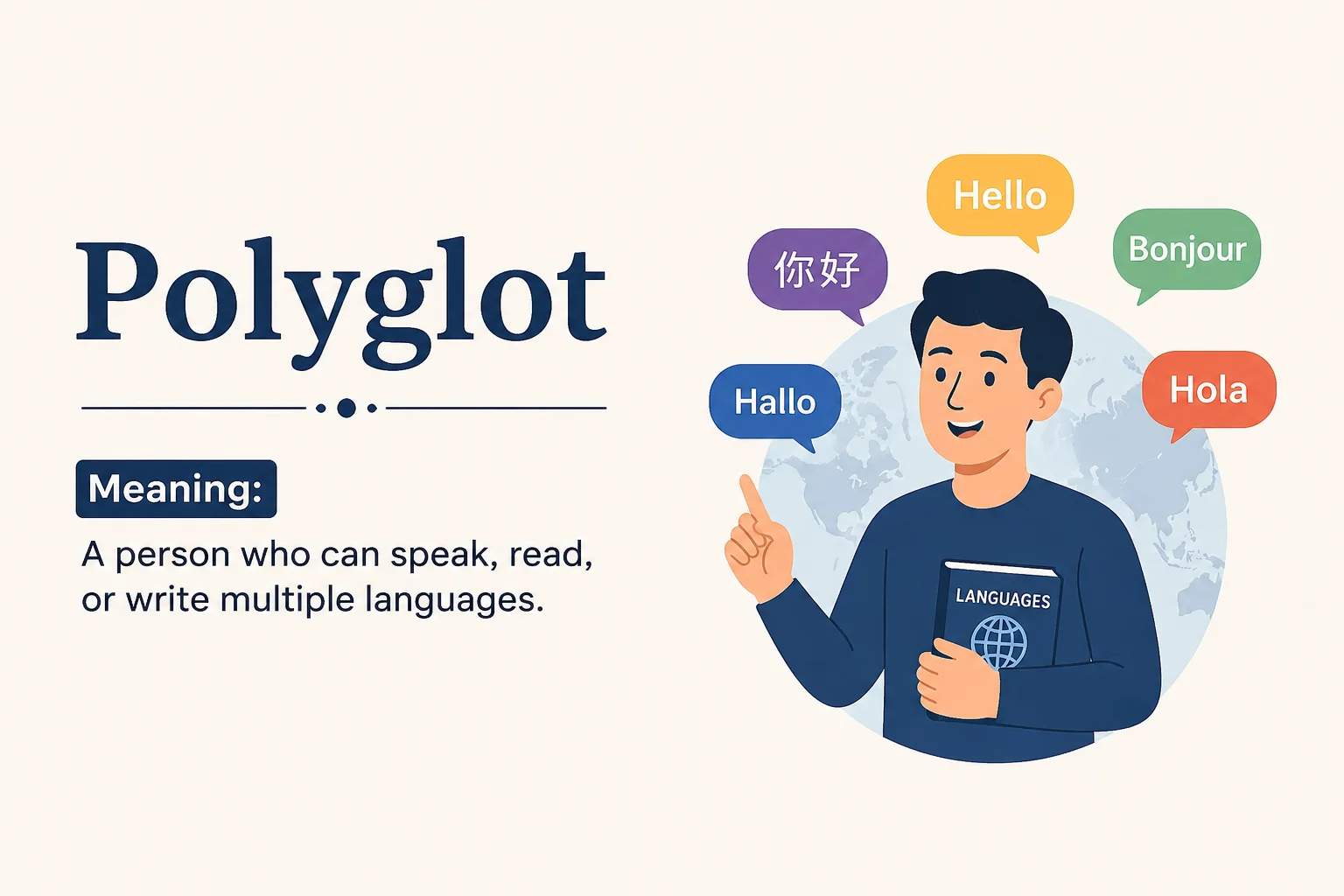
Polyglot meaning is a popular topic among language learners, travelers, students, and professionals who are fascinated by the ability to speak multiple languages. In an increasingly connected world, multilingual communication has become more valuable than ever, making the term polyglot both relevant and inspiring.
A polyglot is a person who can speak and understand several languages. While there is no universally agreed number, most people consider someone a polyglot when they can communicate effectively in three or more languages. These individuals often develop impressive language-learning skills and a deep appreciation for different cultures.
The rise of globalization, international business, remote work, and digital communication has increased interest in becoming a polyglot. Social media platforms are filled with language-learning content, and many people admire polyglots for their ability to switch between languages with ease.
Understanding the polyglot meaning goes beyond simply knowing a definition. It involves exploring the history of the word, the advantages of multilingualism, common misconceptions, and the growing role of language skills in modern society. Whether you are learning a second language or simply curious about multilingual people, understanding this term can provide valuable insight into the world of languages.
What Does Polyglot Mean?
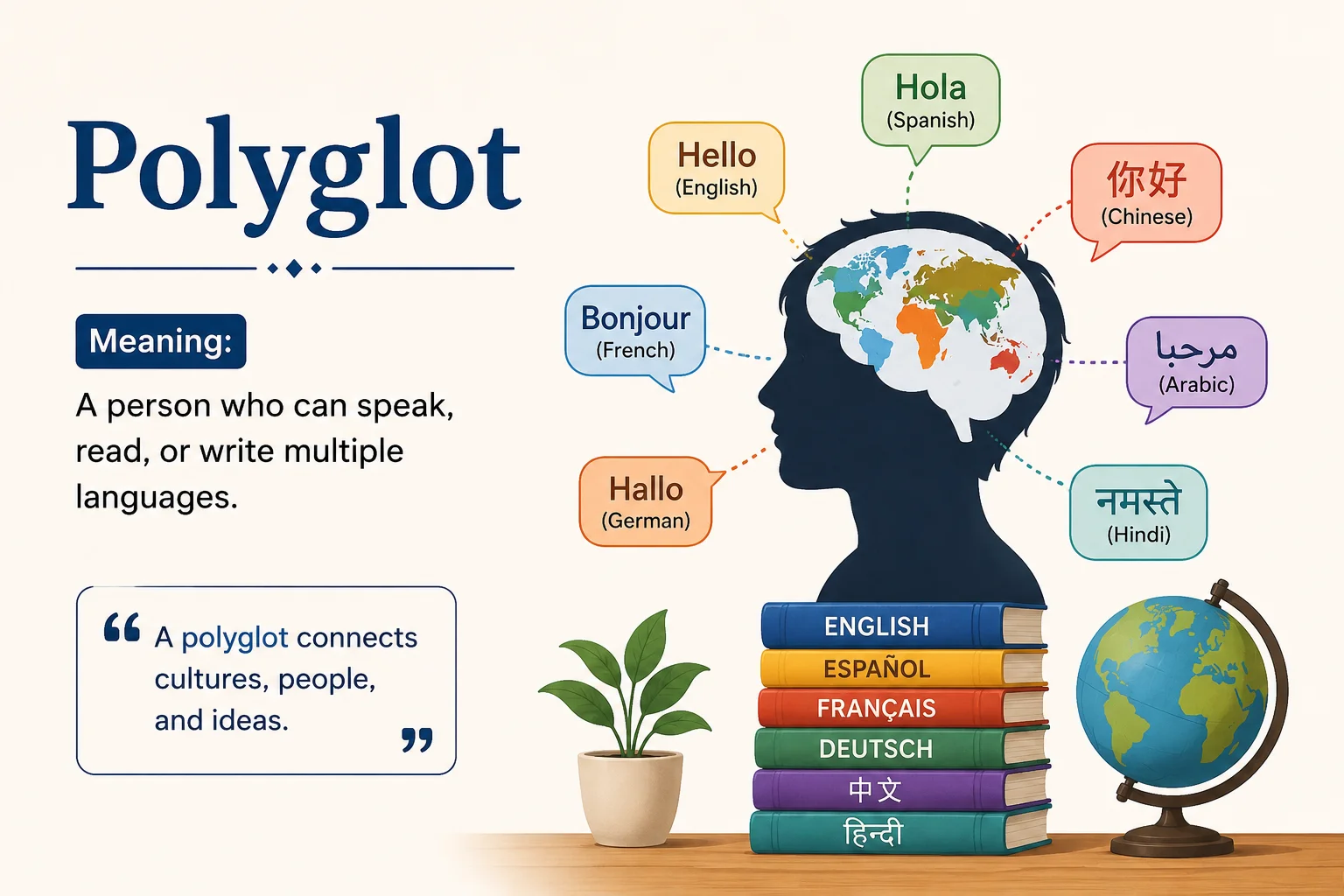
The polyglot meaning refers to a person who knows and uses multiple languages.
The word is commonly used to describe individuals who can speak, read, write, or understand several languages at varying levels of proficiency. While there is no official rule, many people consider someone a polyglot when they speak at least three languages.
For example:
- A person who speaks English, Spanish, and French may be called a polyglot.
- Someone fluent in five or six languages is often considered an advanced polyglot.
- Certain language enthusiasts learn ten or more languages throughout their lives.
The key idea behind the term is multilingual ability. A polyglot is not necessarily perfect in every language, but they can communicate effectively across multiple linguistic systems.
In modern society, polyglots are often admired because language learning requires dedication, patience, and cultural understanding.
The Origin and History of the Word Polyglot
The history of the word helps explain the polyglot meaning more clearly.
The term comes from Greek roots. “Poly” means many, while “glot” comes from a word relating to language or tongue. Together, the term literally means “many tongues” or “many languages.”
Historically, multilingual individuals have existed for thousands of years. Traders, diplomats, explorers, scholars, and travelers often learned multiple languages to communicate with different communities.
Ancient civilizations frequently depended on multilingual speakers to facilitate trade and political relationships. Throughout history, language knowledge was often considered a valuable skill that opened doors to education, commerce, and cultural exchange.
As globalization expanded during the modern era, the concept of being a polyglot became even more important. Today, technology allows people to learn languages more easily than ever before, contributing to growing interest in multilingualism worldwide.
The word continues to represent both linguistic ability and cultural curiosity.
Difference Between a Polyglot and a Bilingual Person
Many people confuse bilingualism with the polyglot meaning, but there are important differences.
A bilingual person speaks two languages.
A trilingual person speaks three languages.
A polyglot generally speaks multiple languages, usually three or more.
For example:
- English and Spanish = bilingual
- English, Spanish, and French = trilingual
- English, Spanish, French, German, and Italian = polyglot
However, these categories are not rigid. Some people use the term polyglot for anyone who speaks more than two languages.
The distinction mainly exists to emphasize broader multilingual abilities.
Regardless of labels, learning additional languages provides valuable communication skills and cultural insights.
The most important factor is not the title itself but the ability to connect with people from different backgrounds.
Why People Become Polyglots
The polyglot meaning is closely connected to curiosity and lifelong learning.
People become polyglots for many reasons:
- Travel
- Career opportunities
- Academic interests
- Cultural appreciation
- Personal challenges
- Family heritage
Some individuals learn languages because they enjoy exploring different cultures. Others need multilingual skills for international business or professional advancement.
Language learning also provides intellectual stimulation. Many polyglots enjoy solving linguistic puzzles and discovering similarities between languages.
For some people, multilingualism develops naturally through multicultural environments. Growing up in a household where multiple languages are spoken often creates opportunities to learn naturally.
Regardless of motivation, polyglots typically share a passion for communication and cultural understanding.
Benefits of Being a Polyglot
One reason the polyglot meaning attracts attention is the numerous benefits associated with multilingualism.
Learning multiple languages can improve communication skills and expand opportunities.
Some advantages include:
Better Career Opportunities
Many employers value multilingual employees. Language skills can be useful in international business, tourism, healthcare, education, customer service, and diplomacy.
Cultural Awareness
Polyglots often develop deeper appreciation for different traditions, customs, and perspectives.
Travel Experiences
Speaking local languages can make travel more enjoyable and meaningful.
Improved Confidence
Successfully learning languages builds confidence and personal achievement.
Access to Information
Multilingual individuals can consume media, books, and educational resources from different parts of the world.
These benefits help explain why many people strive to become polyglots.
Common Traits of Successful Polyglots
Although every person learns differently, many successful polyglots share similar habits.
The polyglot meaning often involves more than natural talent. Consistency and dedication are usually more important.
Common traits include:
- Curiosity
- Patience
- Discipline
- Open-mindedness
- Persistence
Polyglots often focus on communication rather than perfection.
Instead of worrying about mistakes, they actively use languages in real conversations.
Many also develop effective learning routines. They may practice daily, consume foreign-language media, and seek opportunities to interact with native speakers.
Their success typically comes from regular exposure and consistent effort over time.
Polyglot Meaning in the Modern Digital World
Technology has transformed the way people approach the polyglot meaning.
In the past, language learning often required expensive classes or extensive travel. Today, countless resources are available online.
Examples include:
- Language learning apps
- Online courses
- Video lessons
- Podcasts
- Virtual language exchanges
- Social media communities
These tools make multilingual learning more accessible than ever.
People can practice speaking with native speakers across the world without leaving home.
The internet has also created communities where polyglots share strategies, motivation, and experiences.
As a result, interest in language learning continues to grow globally.
Myths About Polyglots
Several misconceptions surround the polyglot meaning.
One common myth is that polyglots possess extraordinary intelligence.
While intelligence can help, most successful language learners achieve results through consistent practice rather than exceptional talent.
Another myth is that polyglots never forget vocabulary.
In reality, all language learners experience memory challenges and occasional mistakes.
Some people also believe adults cannot become polyglots.
This is false. Many multilingual individuals begin learning additional languages later in life.
The reality is that dedication, exposure, and persistence matter more than age or natural ability.
Understanding these myths helps make multilingual learning feel more achievable.
Famous Polyglots Throughout History
The polyglot meaning can be illustrated through historical examples.
Many influential figures were known for their multilingual abilities.
Examples include:
- Scholars
- Diplomats
- Philosophers
- Writers
- Explorers
Throughout history, language skills helped individuals communicate across cultures and spread ideas.
Many famous leaders and intellectuals learned multiple languages to access knowledge from different regions.
Their multilingual abilities often contributed to their success and influence.
These examples demonstrate how language learning has long been associated with education and global understanding.
Challenges Polyglots Face
Despite the benefits, the polyglot meaning also involves challenges.
Learning multiple languages requires significant time and effort.
Common difficulties include:
- Vocabulary retention
- Pronunciation
- Grammar differences
- Maintaining language skills
- Balancing multiple languages
Some learners experience language interference, where words from one language accidentally appear while speaking another.
Others struggle to maintain proficiency in languages they rarely use.
Successful polyglots address these challenges through regular practice and continuous exposure.
The learning process requires patience and persistence.
Examples of Polyglot in Sentences
Understanding examples makes the polyglot meaning easier to grasp.
Here are several examples:
- She is a polyglot who speaks six languages fluently.
- The conference invited polyglots from around the world.
- His dream is to become a polyglot before turning thirty.
- The polyglot switched effortlessly between languages.
- Many travelers admire experienced polyglots.
- Being a polyglot helped her secure an international job.
- The author was known as a talented polyglot.
- Modern technology makes it easier to become a polyglot.
These examples show how the word is commonly used in everyday English.
Synonyms Related to Polyglot
Several words relate to the polyglot meaning.
Common related terms include:
- Multilingual
- Bilingual
- Trilingual
- Linguist
- Language learner
- Interpreter
- Translator
While not exact synonyms, these words share connections with language skills and communication.
Understanding these terms can help expand vocabulary and improve comprehension.
Why Polyglots Are Admired
The polyglot meaning often carries positive associations because multilingualism requires dedication and curiosity.
Polyglots are frequently admired for their ability to:
- Communicate across cultures
- Learn complex systems
- Adapt to new environments
- Build international relationships
Their skills often symbolize open-mindedness and global awareness.
In a world where international connections continue to increase, multilingual communication has become increasingly valuable.
This admiration contributes to the popularity of language-learning communities and multilingual content online.
Frequently Asked Questions
What is the simple meaning of polyglot?
A polyglot is a person who can speak and understand multiple languages.
How many languages does a polyglot speak?
There is no official number, but most people consider three or more languages sufficient to be called a polyglot.
Is a bilingual person a polyglot?
Sometimes, but the term polyglot is usually reserved for individuals who speak more than two languages.
Can anyone become a polyglot?
Yes. With consistent effort, practice, and exposure, most people can learn multiple languages.
Are polyglots naturally gifted?
Not necessarily. Most successful polyglots achieve their abilities through dedication, practice, and long-term learning habits.
Conclusion
The polyglot meaning refers to a person who speaks multiple languages and can communicate across different linguistic and cultural boundaries. While the term may sound impressive, becoming a polyglot is often the result of persistence, curiosity, and regular practice rather than extraordinary talent.
Throughout history, multilingual individuals have played important roles in trade, diplomacy, education, and cultural exchange. Today, technology has made language learning more accessible than ever, allowing millions of people to pursue multilingual goals.
Understanding the polyglot meaning also highlights the broader value of communication. Language learning is not just about vocabulary and grammar; it is about connecting with people, understanding different perspectives, and exploring the world in new ways.
Whether you speak two languages or hope to learn ten, the journey toward multilingualism can be rewarding, educational, and life-changing. In an increasingly interconnected world, the skills associated with being a polyglot remain more valuable than ever.